Ammann White Paper Offers a Practical Framework for Selecting the Right Asphalt Plant
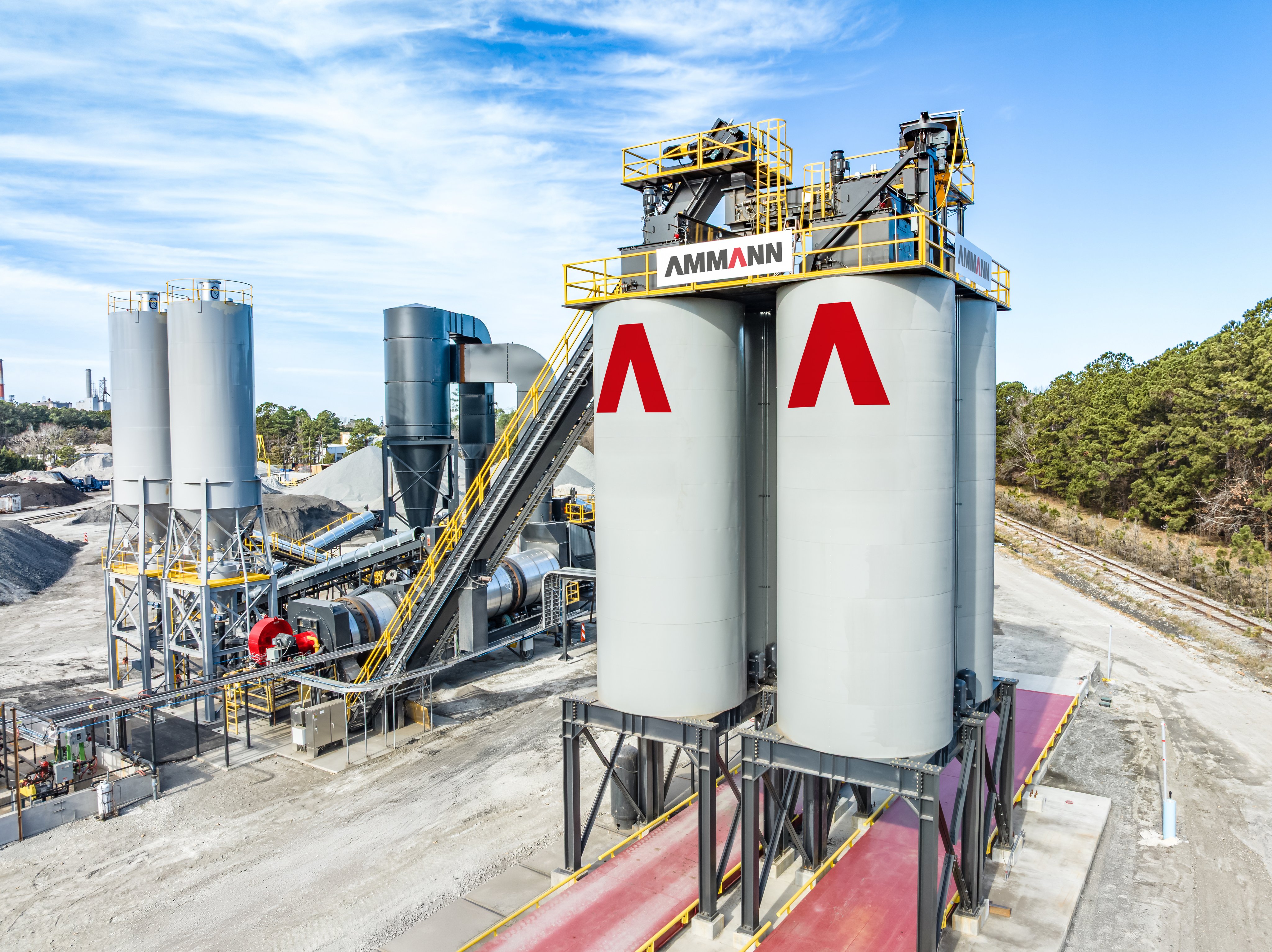
A new vendor-neutral white paper from Ammann helps producers, contractors, municipalities, and highway agencies evaluate asphalt plant types against the variables that define real-world operations — mix design requirements, RAP and RAS targets, production tonnage, environmental constraints, and site logistics.
ORLANDO, Florida – Selecting an asphalt plant is one of the most consequential capital decisions a producer will make. It shapes production capacity, mix quality, environmental compliance, reclaimed asphalt pavement (RAP) utilization, and long-term operating economics — yet the decision is frequently made without a structured framework, driven instead by familiarity, purchase price, or assumptions about plant capability that have not kept pace with the technology.
Selecting the Right Asphalt Plant: A Practical Guide for Mix Design, RAP Integration, Production Capacity, and Emerging Recycling Technology, written by Kiel Stead, P.E., sets out that framework. The paper is deliberately vendor-neutral and compares plant categories — conventional batch, HRT-equipped batch, counterflow drum, and continuous HRT — on the criteria that actually govern the choice.
One area where the conventional guidance needs revision is RAP capability. The long-standing rule of thumb held that batch plants were limited to roughly 30% RAP and that any higher target meant choosing a drum plant. That is no longer accurate as a universal statement. Batch plants equipped with dedicated indirect-heat RAP dryers are manufacturer-rated to 60% RAP in the warm RAP-drum class and up to 100% in the full-recycle class, while modern high-RAP counterflow plants have demonstrated commercial ceilings of 60–70% in properly configured, optimized installations. The paper is explicit that these are plant capability ratings rather than routine practice: owner-agency specifications, RAP quality, and binder variability — not plant nameplate — usually set the operating ceiling. It argues the decision is now best framed as a three-variable question: process type, RAP system tier, and capacity tier.
Alongside the RAP analysis, the guide covers:
Mix design considerations for Superpave, SMA, open-graded friction courses, and warm mix asphalt
Realistic capacity derating factors and peak-demand sizing
Air quality permitting and plant-level emissions factors
Site, stockpile, and logistics requirements
A seven-step selection process with a weighted selection matrix and a quick-reference table by customer profile
Recommended next steps for buyers, including 10-year total cost of ownership modeling
Figures cited are approximate typical-range guidance; actual plant performance varies by model, configuration, and operating conditions.